




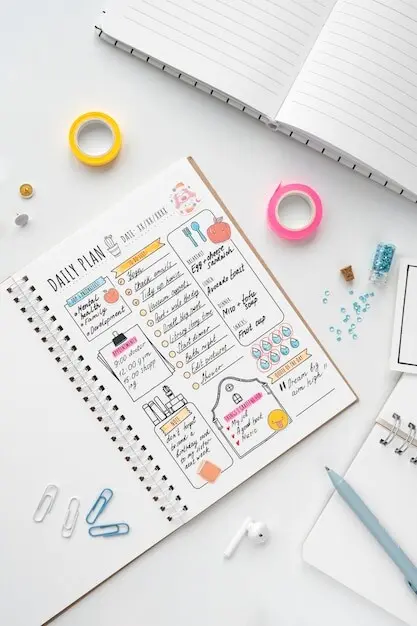
Build Your Life on Repeatable Wins

Today we dive into templates and checklists for personal standard operating procedures, turning scattered intentions into dependable results you can trust on busy mornings, high‑stakes deadlines, and travel days. Expect practical patterns, relatable stories, and ready‑to‑adapt structures that clear mental clutter, reduce avoidable errors, and make your best days easier to repeat without heroic bursts of willpower.

Why Repeatability Beats Willpower

Routines powered by clear, reusable instructions outperform motivation on any hectic Tuesday. When you rely on documented steps and concise checks, you conserve energy for creativity, not logistics. You stop reinventing the wheel, protect against simple mistakes, and create calm momentum that compounds, even when distractions spike or your mood wobbles unexpectedly.

Goodbye Decision Fatigue

Every unmade micro‑decision silently taxes your attention. A simple checklist turns ambiguity into a short, confident sequence, so your brain stops negotiating with itself and just flows. Over a week, that saved attention becomes meaningful progress, especially on projects that benefit from consistent, quiet, thoughtful effort rather than occasional heroic sprints.

Trust Your Future Self

Templates let your present self package hard‑won insight for the version of you who will inevitably be tired, rushed, or interrupted. Instead of depending on memory, you depend on an external brain that does not forget. That trust removes friction, calms anxiety, and lets you step into execution with a smile, not a sigh.

A Morning That Runs Itself

Imagine waking up to a short sequence: water, light stretch, plan review, top priority, first check‑off. No dithering, no scrolling, no friction. One reader, Maya, cut forty minutes from her mornings by following a two‑minute checklist, consistently hitting deep work before 9 a.m. and feeling proud before breakfast.

Designing Instructions You’ll Actually Follow

Weekly Planning Blueprint

Sections include wins, lessons, open loops, calendar review, priorities, and resource checks. Add a top three outcomes, block key work, prep supporting tasks, and pre‑write difficult messages. By front‑loading thinking on Friday or Sunday, you protect your best hours, reduce surprises, and enter Monday already clear, grounded, and poised to deliver.

Inbox Triage and Response Rhythm

Set a timer, process by batch, and apply four verbs: delete, delegate, defer, do. Use snippets for frequent replies, labels for follow‑ups, and a same‑day audit of flagged items. This reduces back‑and‑forth churn, surfaces true urgencies, and keeps your communication reputation dependable without tethering your attention to a constant stream.

Travel Packing and Pre‑Departure Review

Pack by zones: body, work, sleep, health, documents, power. Add a pre‑departure verification: tickets, ID, chargers, offline maps, essential files synced. Maya reported cutting packing time in half and stopped buying redundant adapters. A ten‑minute final sweep prevents late‑night airport stress, device dead‑ends, and easily avoidable, momentum‑killing delays.

Checklists That Stick Under Pressure

A checklist only helps if you use it when things are hectic. Keep it short, visible, and action‑first. Build in pause points where mistakes tend to appear. Make it portable and trigger‑based so it shows up exactly when, and where, you need it most.

Keep SOPs Alive with Reviews and Metrics

Documents decay unless you refresh them. Schedule light audits, capture after‑action notes, and log changes with dates and reasons. Track tiny metrics like error rates and setup times. These simple habits keep instructions reliable, encourage ownership, and steadily reclaim minutes that add up to meaningful, compounding gains every month.

Tools, Automations, and Sharing

Put your procedures where your hands already are, wire them to triggers, and teach others to run them confidently. A simple system across notes, tasks, and calendars beats any fancy stack. Start light, adapt often, and invite feedback so your documented know‑how reduces workload, spreads smoothly, and scales without drama.

Where They Live and How You Find Them Fast

Create a single hub with predictable folders, clear names, and strong search terms. Pin your top ten lists. Add quick links from calendars and recurring tasks. The goal is zero hunting time. When access is instant, usage becomes habitual, and even rushed versions of you will happily follow the path.

Automation That Starts the Right Checklist

Use calendar keywords to attach the correct pre‑meeting checklist. Trigger travel prep when a trip appears in your inbox. Start weekly review steps after your final Friday event. Light automation eliminates the dangerous gap between intention and action, surfacing the next right move precisely when you are ready to proceed.

Teaching Others Without Becoming the Bottleneck

If a partner, child, or assistant shares duties, record a short walkthrough and pair it with the checklist. Add examples, edge cases, and a tiny FAQ. Encourage questions and revisions. This builds shared confidence, reduces repeat explanations, and turns household or team operations into calm, cooperative, resilient routines.