Guide the Conversation: Co‑creating Personal User Manuals with Your Team
Why Personal User Guides Transform Teamwork
Clarity Over Assumptions
Assumptions multiply in fast‑moving environments, especially across time zones and roles. Clear personal user guides replace speculation with agreed expectations about response times, meeting norms, decision approaches, and escalation paths. This boosts predictability without rigidity, letting teams move confidently while still honoring individual energy patterns and deeply human differences.
Accelerated Onboarding
New hires navigate fewer unknowns when colleagues’ working styles are discoverable from day one. Instead of learning etiquette through missteps, they reference guides to understand communication channels, preferred formats, and collaboration cadences. That clarity shortens the trust‑building curve, eases first‑month anxiety, and reveals where support or pairing will create immediate, visible momentum.
Designing the Workshop Journey
Pre‑work That Sets the Stage
Invite participants to collect examples of great past collaborations and moments that felt draining. Offer a simple questionnaire covering communication, focus hours, decision styles, and feedback preferences. This primes reflection, lowers cognitive load during the session, and ensures the workshop time centers on meaningfully crafting language, not scrambling to recall scattered experiences.
Warm‑ups That Lower the Stakes
Begin with playful, low‑risk prompts like describing your ideal meeting in three emojis or sharing a one‑minute story about a supportive teammate. These openers build rapport, reduce performance pressure, and signal that authenticity, not perfection, is valued. With social ice melted, deeper conversations land softer, and vulnerable details feel safer to share.
Prompt Sequences That Reveal Useful Details
Use layered prompts that progress from practical to reflective. Start with availability windows and communication channels, then preferences for feedback timing, then energizers and stress signals, and finally collaboration agreements. This runway balances specificity with humanity, helping people write guides that are actionable, kind, and grounded in realistic, day‑to‑day behaviors.
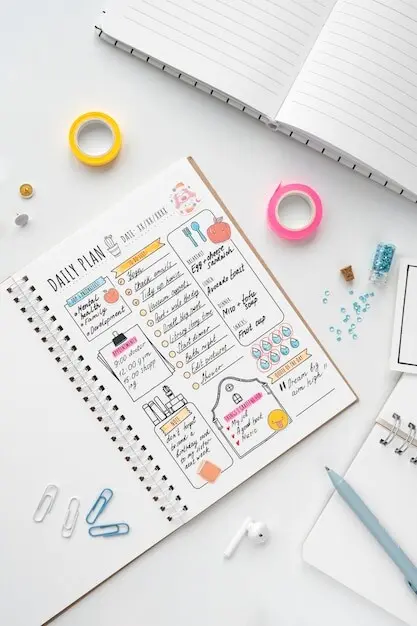

From Drafts to Durable Guides
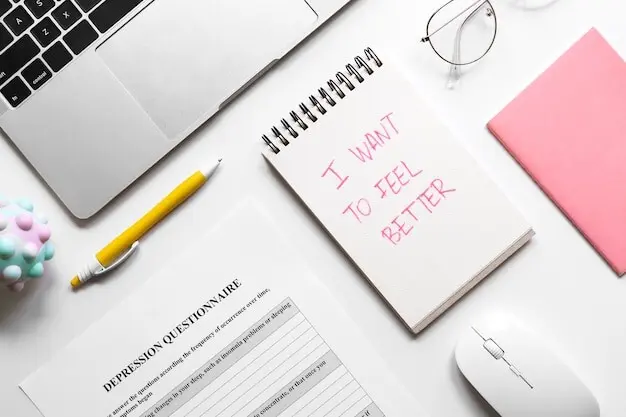
Templates That Invite Specificity Without Oversharing

Editing Circles and Asynchronous Refinement
Publishing, Discoverability, and Access Agreements
Real Stories and Measurable Outcomes
{{SECTION_SUBTITLE}}
Case Study: A Product Trio Finds Flow

Before‑and‑After Signals You Can Measure
Keeping Guides Alive Over Time

Quarterly Refresh Rituals That Feel Light
Onboarding Moments That Create Early Wins

Evolving as Roles Change Without Losing History
All Rights Reserved.